© 2026 Le Grimoire Ancien
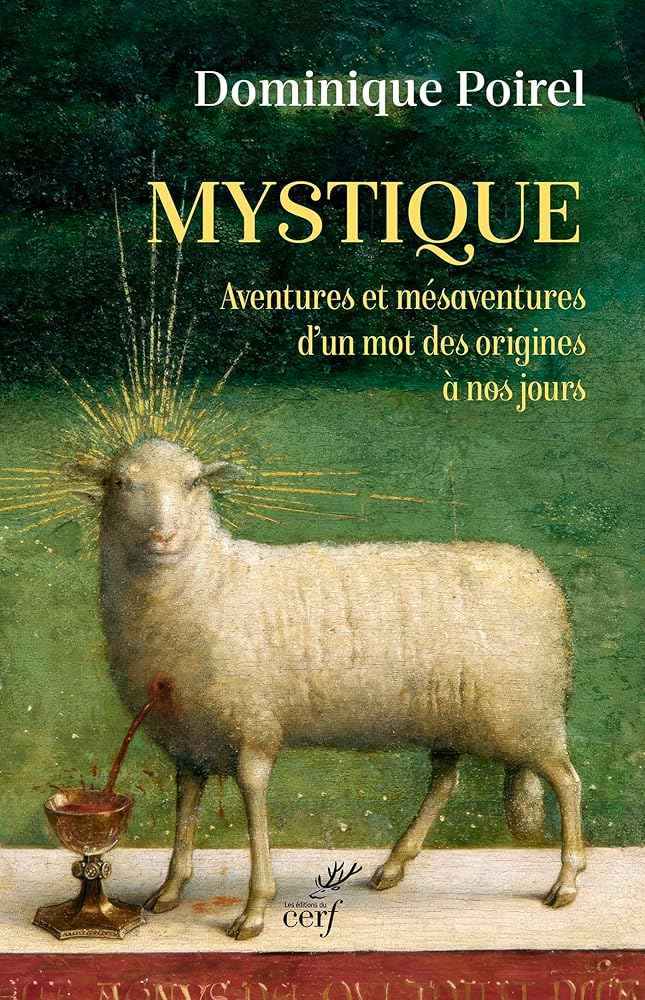
Mystique - Adventures and Misadventures of a Word, from its Origins to the Present Day
24 in stock
Secure Payment
Free returns for 14 days
Tracked shipping
Logistique gérée par Amazon - Livraison rapide et sécurisée. Consultez les tarifs d'expédition.
Couldn't load pickup availability
This masterful and unprecedented work traces the epic journey of the word "mysticism" from its origins to the present day. It begins in pagan antiquity, continues through Christianity, and enters a crisis during the Enlightenment.
Rejuvenated in the Germanic and Lutheran world, the word makes a strong comeback through the Romantic revolution, but with new meanings.
In the 20th century, it permeated all discourses and all human sciences, captivating philosophers and theologians, historians and writers alike.
From Herodotus to Péguy, from Augustine to Marx, from Dionysius to Zola, the meaning of the word has radically changed. The question then remains: why is "mysticism" so frequent in scholarly discourse, when its meaning is so flexible and no one bothers to define it?
Tracking this enigma to its ultimate limits, the incredible adventure of the word reveals that it no longer has conceptual meaning, but instead assumes a cultural function. An investigation that reveals a modern malaise concerning religion.
Dominique Poirel, Director of Research at the CNRS, is a correspondent at the Académie des Inscriptions et Belles-Lettres. He is the author of some forty books and numerous articles on the history of thought in the Middle Ages, including Hugues de Saint-Victor and François d'Assise. Commentaire du Notre Père.
An unknown document by the Poverello from Éditions du Cerf.
Share this product

Mystique - Adventures and Misadventures of a Word, from Origins to the Present Day - © 2026 Le Grimoire Ancien
This masterful and unprecedented work traces the epic journey of the word "mystic" from its origins to the present day. It begins in pagan antiquity, continues through Christianity, and enters a crisis during the Enlightenment. Rejuvenated in the Germanic and Lutheran world, the word makes a strong comeback through the Romantic revolution, but with new meanings. In the 20th century, it permeated all discourses and all human sciences, captivating philosophers and theologians, historians and writers alike. From Herodotus to Péguy, from Augustine to Marx, from Dionysius to Zola, the meaning of the word has radically changed. The question then remains: why is "mystic" so frequent in scholarly discourse, when its meaning is so flexible and no one bothers to define it? By tracking this enigma to its ultimate limits, the incredible adventure of the word reveals that it no longer has conceptual meaning, but instead takes on a cultural function. An investigation that reveals a modern unease with the religious. Dominique Poirel, Director of Research at the CNRS, is a correspondent at the Académie des Inscriptions et Belles-Lettres. He is the author of some forty books and numerous articles on the history of thought in the Middle Ages, including Hugues de Saint-Victor and François d'Assise. Commentaire du Notre Père. Un document inconnu du Poverello aux Éditions du Cerf. - © 2026 Le Grimoire Ancien